

Occupying a Third Place: Pro-Life Feminism, Legible Politics, and the Edge of Women’s Liberation
By Laura Strait, Doctoral Candidate, Media Studies, School of Journalism and Communication

By Laura Strait, Doctoral Candidate, Media Studies, School of Journalism and Communication
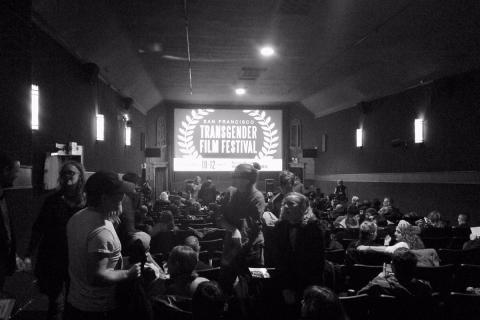
by Andrew Robbins, PhD Candidate, Media Studies, School of Journalism and Communication
With funding from a CSWS Graduate Student Research Grant, I was able to travel to the GLBT Historical Society Archive in San Francisco in November 2018 to explore the unsorted collection of “Tranny Fest,” the original name of what is now known as the San Francisco Transgender Film Festival. The collection was donated by the festival’s original co-founders, media lawyer Alex Austin and late filmmaker Christopher Lee, who started the festival in 1997.

by Peter P. Ehlinger, PhD Student, Counseling Psychology, College of Education
“They’re tired of waiting for things that aren’t going to come.” — Non-cisgender student
“I drank a lot as a young teenager…I think a lot of that came from a strong sense of lack of belonging and social anxiety.” — Non-cisgender student
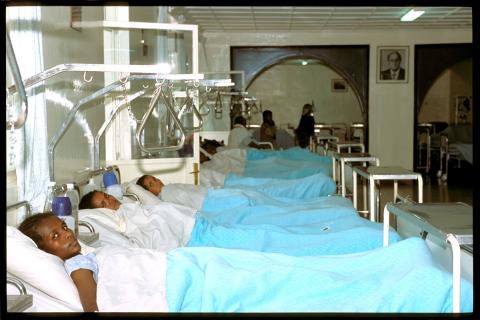
by Layire Diop, PhD Candidate, Media Studies, School of Journalism and Communication
The figures released by the World Health Organization (WHO) are staggering. Even though fistula was eliminated in developed countries a century ago, it still affects two million women around the world (WHO, 2018).

by Elinam Amevor, PhD Student, School of Journalism and Communication
The nineteenth century colonial legacy of the British in the Gold Coast—now Ghana—which ensured that men produce cash crops for export to keep the engines of the Industrial Revolution running, while women engage in food-crop production to feed the home, continues to determine the gendered nature of Ghana’s agricultural sector in the twenty-first century.




by Amna Javed, PhD Candidate, Department of Economics
Every year, approximately 5,000 women are murdered globally in the name of honor. These crimes, labeled as “honor” killings, are meant to punish transgressing individuals who are believed to have brought shame to their families by overstepping social boundaries regarding acceptable sexual freedoms. In Pakistan’s context, where the “purity” of a woman is crucial to ensuring a successful arranged marriage, dishonor might result from, among other reasons, coming home late, having an alleged affair, or eloping.