CSWS Graduate Student Research Grant

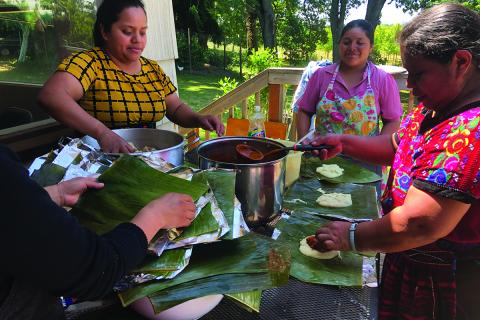
Guatemalan Maya women prepare a meal of traditional foods / photo provided by Liesl Cohn De León.

Migrant Memories: Community and Identity Building in a New Territory

By Liesl Cohn De León, PhD Student, Department of Anthropology

The Guatemalan migrant population in the United States has been growing in the last few decades. Although Guatemalans started coming to the US in the 1980s during the Guatemalan Civil War (1960–1996), between 2010 and 2020 the Guatemalan population increased by about 60%.1 According to the 2020 Census, about 1,683,093 Guatemalans live in the United States. However, there are estimates2 of at least 3,256,047 people from Guatemala living in the US.
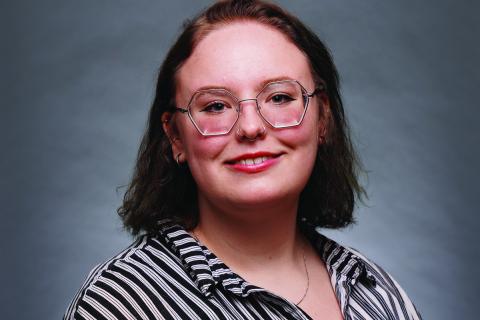
Nat Ivy

Gender, Social Politics, and Media Sensationalism in 19th-Century American Murder Ballads

by Nat Ivy, Master’s Student, Folklore and Public Culture Program
Murder ballads have been around for centuries. A murder ballad is a narrative song that tells the story of murder. However, as with any vernacular tradition, there’s a lot more to them than that. American murder ballads are most associated with Appalachian folk music, emerging in the early 19th century as Scottish and Irish immigrants made new homes in North America. As the century progressed, these Appalachian songs blended with African musical traditions, producing blues ballads.
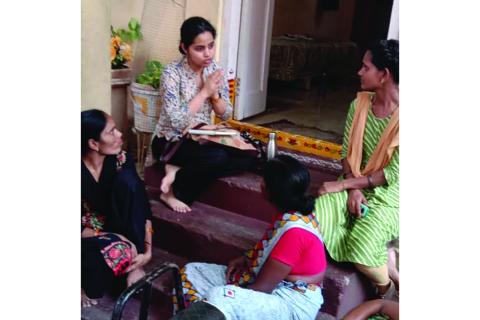
Malvya Chintakindi (center) interviews three of her participants on a recent trip to Hyderabad, India / photo provided by Chintakindi.

Dreams Deferred: Navigating Aspiration and Constraint in Urban India’s Margins

by Malvya Chintakindi, PhD Candidate, Department of Anthropology

At age 33, Renuka’s face carried the weathering of a life spent crossing multiple thresholds—between others’ homes and her own, between caste boundaries that marked her as both essential and polluting, between dreams of education and the harsh reality of survival.

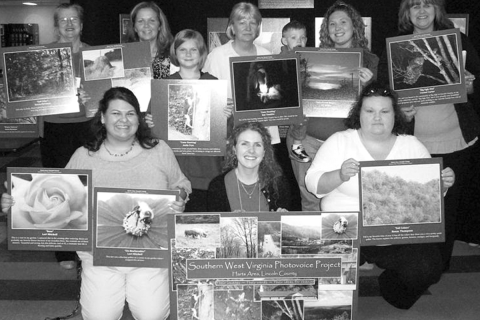
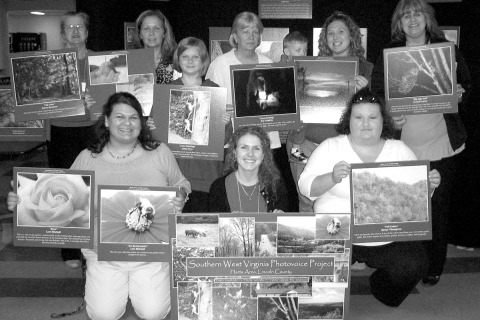
Shannon Bell, front center, with the Harts Photovoice Group at their exhibit in West Virginia, April 2009.

Photovoice in the Appalachian Coalfields

As a sociology graduate student, Shannon Elizabeth Bell displayed an activist’s heart. In her first grant application to CSWS, Bell noted that women are at the fore of the anti-coal movement in central Appalachia, stepping out of their traditional gender roles to take an active leadership position in fighting the coal industry. Her scholarship had a mission—to help these women in low income coal-mining areas of West Virginia find more effective ways to use their voices through grassroots action.

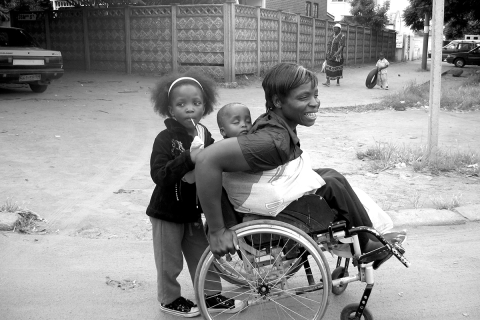
Irene Moyo, pictured here with her children, received a loan for her street vending business from research collaborating organization Zimbabwe Women with Disabilities in Development (ZWIDE).

HIV/AIDS and Women with Disabilities in Zimbabwe

by Susie Grimes, Graduate Student, Department of International Studies

In 2002 I was in Lusaka, Zambia, making a video documentary on a microcredit program for women with disabilities. We were at the marketplace to meet members of a sewing group that had received a small loan from the program. One of its members came forward and told us some startling news: out of the original twelve women with disabilities who had formed the collective a year earlier, only four were left. The others had died of Acquired Immune Deficiency Syndrome (AIDS).

Shannon Elizabeth Bell, front center, with Harts Photovoice Group at their 2009 exhibit in West Virginia. Bell served as a bridge to help women she studied bring forward their stories about devastation to their community by the coal industry.

Activist Research and the Fight Against the Polluter-Industrial Complex

by Shannon Elizabeth Bell, Assistant Professor of Sociology, University of Kentucky

The future I hope to see for feminist research is more scholars engaging in activist research aimed at fighting the tremendous number of environmental injustices that are devastating the lives of women and other vulnerable populations around the world.