CSWS Annual Review

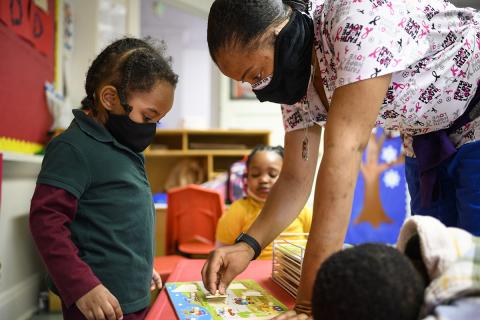
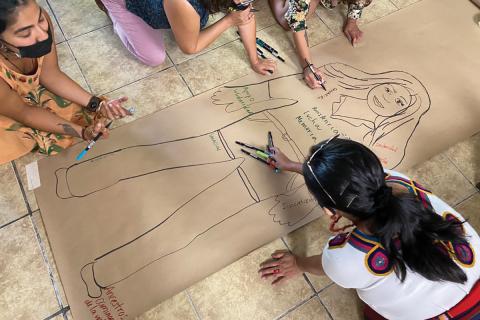
"Fieldwork" conducted from home during the pandemic included getting critical feedback along the way from my research assistant, Sebastián Serna Patterson.

M(other)work of Survival and the Pandemic as Teacher

by Cristina Faiver-Serna, MPH, PhD, Department of Geography

One spring morning in 2011, I left my home in the Los Angeles Harbor region to drive to a community meeting in Long Beach, California. I was to present on the “Bridge to Health” program, a promotora de salud-led asthma education program funded by the Port of Long Beach. Merging onto the 710 freeway my car became sandwiched between big-rig diesel trucks hauling cargo from the Port of Long Beach. The 710 freeway is the main truck route from the Port to inland distribution centers in San Bernardino County. Together, with the Port of Los Angeles, more than 40 percent of goods imported into the continental U.S. come by way of the Los Angeles Harbor.
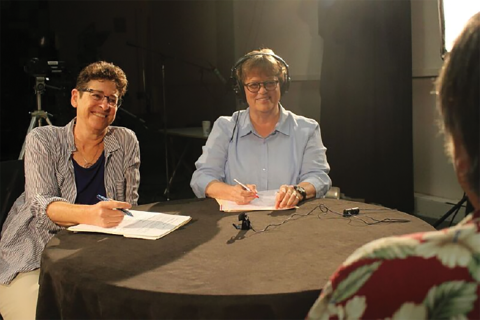
Judith Raiskin, left, and Linda Long interview a participant for the Eugene Lesbian History Project. Raiskin and Long received the 2021 Oregon Heritage Excellence award for their project / photo provided by Judith Raiskin.

Oral History Website Preserves Stories from Eugene's Lesbian Community

by Judith Raiskin, Associate Professor, Department of Women’s, Gender, and Sexuality Studies

The Eugene Lesbian History Project is a community-based, digital humanities project that preserves and shares the unique history of the lesbian community in Eugene, Oregon. The project includes filmed oral histories with 83 narrators, searchable transcriptions, a digital exhibit that curates and contextualizes the interviews, and a forthcoming documentary film. I am grateful to CSWS for funding the website Outliers and Outlaws that serves as a landing page for all the aspects of this project.
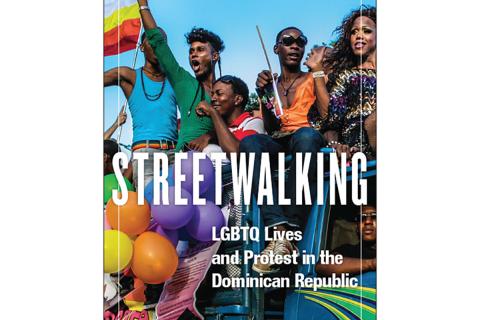
Cover of Ana-Maurine Lara's "Streetwalking: LGBTQ Lives and Protest in the Dominican Republic"

Reflections: UO Graduate Students Share How Works by WOC Faculty Changed Them

CSWS events have always served as informal sites for networking, support, and mentorship among women faculty and graduate students across campus. When the pandemic shut down our regular programming last year, the Women of Color (WOC) Project filled this need with a virtual books-in-print event series celebrating recent monographs by WOC faculty affiliates. Below are some personal reflections by current graduate students who have been impacted by the work and words of these faculty.
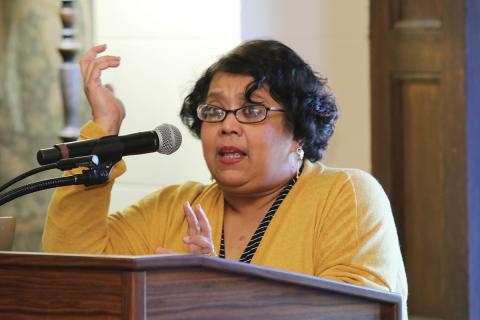
Sangita Gopal / photo by Jack Liu.

An Interview with Sangita Gopal: Interim Director Seeks to Strengthen CSWS Infrastructure

Interview by Jenée Wilde, Senior Instructor, Department of English, CSWS Dissemination Specialist

With a background in comparative media studies and postcolonial theory, Associate Professor Sangita Gopal came to the University of Oregon in 2004 to teach cinema studies in the Department of English. Over time she saw the popular program grow from an English concentration into a unique tri-school major, then into its own department housed in the College of Arts and Sciences.  

Law professor and former CSWS director Michelle McKinley started the Caregiver Campaign in response to community need / photo by Jenée Wilde.

New Special Project Advocates for Institutional Change: CSWS Leads an Effort to Redress Pandemic Impacts for Faculty who are Caregivers

by Jenée Wilde, Senior Instructor, Department of English, CSWS Dissemination Specialist

Last year, in the early stages of pandemic lockdown, then-CSWS director and law professor Michelle McKinley began receiving panicked emails from faculty friends and Center affiliates who are caregivers. With 4J schools and childcare facilities shut down, as well as shortages in long-term elder care services, how were they supposed to fulfill their teaching and research commitments at the university while also meeting the labor-intensive care needs of others?  

Melissa L. Barnes

Examining Gendered and Racialized Violence Toward the Black Community

by Melissa L. Barnes, PhD Candidate, Department of Psychology The nation held an unofficial day of remembrance for George Floyd on May 25, 2021, one year after he was murdered by a police officer. If we held a day of honor for all of the Black men, women, transgender, and nonbinary folks who have been physically or sexually assaulted by police officers, we would mourn and remember every day of the year. On March 30, we would mourn Mya Hall; July 13 would be Sandra Bland’s day; August 9 would honor Abner Louima; and at least 13 days would be reserved for each of Daniel Holtzclaw’s sexual assault victims.