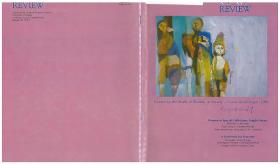
CSWS Annual Review

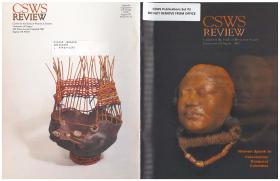
1990 Annual Review

    Women in Special Collections, Knight Library & A University for Everyone
  • From the Acting Director: We Regret the Omissions by Cheris Kramarae
  • Feminists in the 1920s: A Case History of the Lucy Stone League by Mary Lou Parker
  • Claiming an Ancestor, Claiming Ourselves: A White Woman Anthropologist Among the Chehalis People by Madronna Holden
  • Oregon's Black Exclusion Clause: A Personal Note by Lisa Ponder
Publication Year
1990
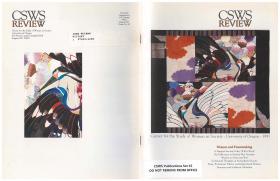
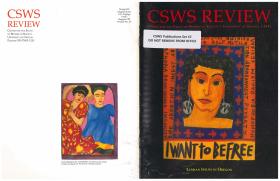
1991 Annual Review

    Women and Peacemaking
  • From the CSWS Associate Director: A Patchwork for Peace, Solidarity, and Wisdom by Diana Sheridan
  • A Feminist Security Policy: Will it Work? by Margarita Papandreou
  • The Puzzle of Sex Differences in Nuclear War Attitudes by Patricia A. Gwartney-Gibbs and Denise H. Lach
  • Women on Peace and War: Observations on the Global Transformations of the Last Ten Years by Gregory McLauchlan
Publication Year
1991

1992 Annual Review

    Women Speak to Colonization, Conquest, Columbus
  • Quincentenary Implications in Women's Lives by Sandra Morgen and Diana Sheridan
  • Please Don't Call Me for the Quincentennial by Mary Romero
  • Engendering Native America before Columbus: An Archaeological Perspective on Women of the Northwest Coast by Madonna Moss
  • From Queen Mother to Breeder, from Beloved Woman to Squaw: the Impact of Columbus on African and Native American Women by Sharon Elise
Publication Year
1992
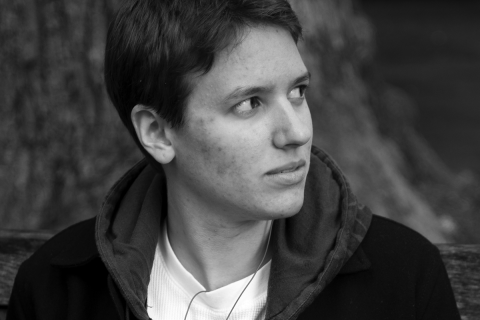
Jake Clausen

Gender Continuum: Coming to Peace with the Image in the Mirror

This is the winning essay of the first-ever CSWS Diversity Initiative research interest group’s undergraduate essay contest on the topic of gender. The question: “How has gender in combination with issues related to diversity and/or mental health featured in your own pathway toward academic or other personal achievement?”
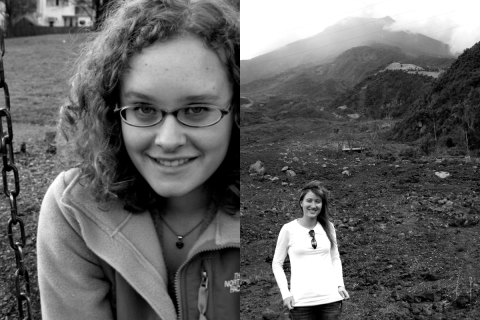
Rebecca Sprinson (Left) and Robyn Singleton (Right)

Two Seniors Comment on Their Experiences with WGS

Rebecca Sprinson
Q: What is the topic of your thesis?
My thesis is titled “This Land Is Our Land: The Ideological Construction of a Lesbian Feminist Utopia in Southern Oregon, 1970–1990.” I’m examining the magazines and newsletters produced by women who lived on women-only farms, collectives, and communes in southern Oregon, which was a nexus of the lesbian-feminist back-to-the-land movement.
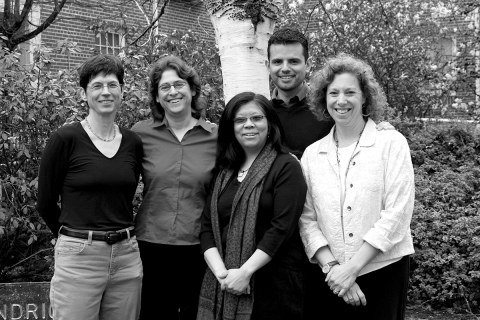
WGS faculty members (left to right) Ellen Scott, director; Judith Raiskin; Lynn Fujiwara; Ernesto Martinez; and Elizabeth Reis.

A Long Time Coming

Women’s and Gender Studies is happy to announce that it has finally become a department. Benefiting from the political work of ethnic studies and its struggle to become a department as well as the unconditional support of our new dean, Scott Coltrane, in winter 2009 Women’s and Gender Studies was finally recognized as a fully legitimate, autonomous, interdisciplinary intellectual space.
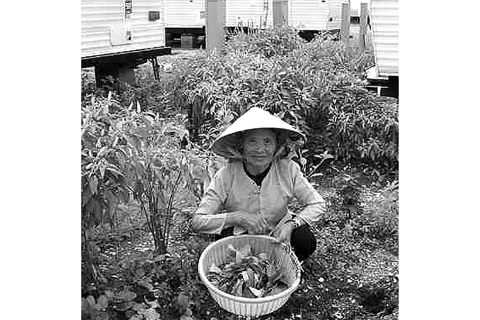
A Vietnamese woman works in her garden near her FEMA trailer.

From War to Hurricane Katrina

Graduate student Gennie Thi Nguyen’s old neighborhood was flooded by as much as nine feet of water after Hurricane Katrina pounded the Gulf Coast in August 2005. For Nguyen, like other Vietnamese Americans of her generation who grew up in New Orleans, the destruction of vast areas of her city became a trauma shared with parents and their generation, and opened up new areas of communication, she said.
Jennifer Erickson

Social Citizenship in a Neoliberal Era

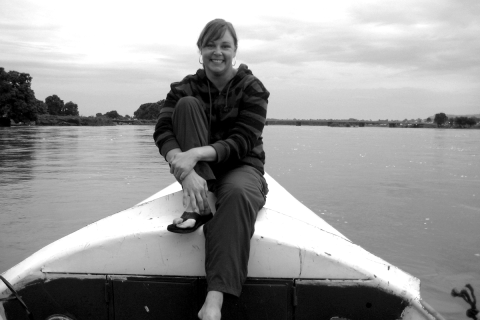
by Jennifer Erickson, Ph.D. candidate, Department of Anthropology
Scholars show that welfare policies affect women and men differently due to gender-based relationships with the state, which involve, for example, expectations about child rearing and shifting expectations regarding paid labor. Welfare policies negatively affect many refugee and immigrant groups in the United States by pushing them into the lowest paid sector of the economy. As a cultural project, neoliberal agendas have broadly succeeded in shaping public opinion toward an increased reliance on individual merit, consumerism, volunteerism, and distrust of government.
Christopher Minson

Hormone Therapy: Research in the Department of Human Physiology is Designed to Help Improve Women’s Cardiovascular Health

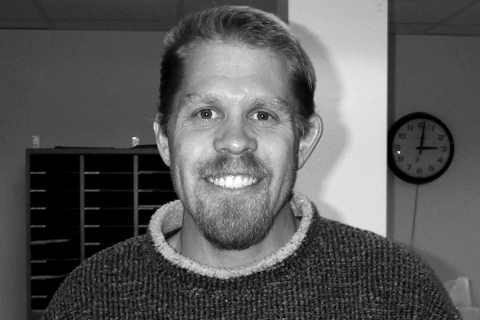
by Christopher Minson, Ph.D., Associate Professor and Department Head, Human Physiology
Millions of women use hormone therapy for treatment of menopausal symptoms and gynecological syndromes, contraception, assisted reproductive techniques, and combating osteoporosis. Early reports on the use of estrogen replacement therapy were very promising in terms of improving cardiovascular and bone health, but the results of two major clinical trials were disappointing and alarming, resulting in millions of women stopping hormone therapy.