Affiliate news

CSWS reaches Ducks Give fundraising goal
CSWS Congratulates 2026–27 Research Award Winners
The Center for the Study of Women in Society (CSWS) awarded $94,000 for scholarship, research, and creative work on women and gender at the University of Oregon for AY 2026–27. A total of 20 grants and fellowships were given to 16 graduate students and four faculty members.
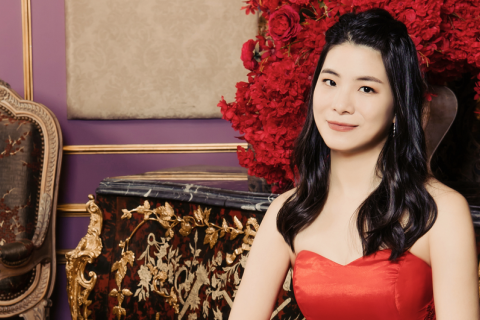
April 29 Noon Talk to feature Baroque music live performance
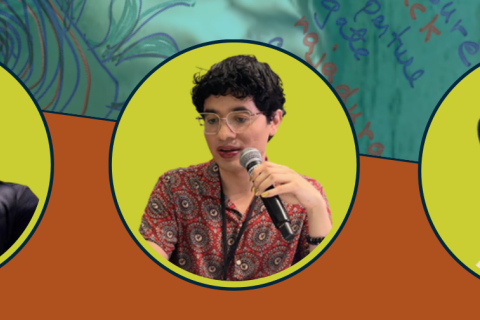
CLLAS research cooloquium to explore Latine worldmaking
The Center for Latino/a and Latin American Studies (CLLAS) is pleased to host a research colloquium, "Latine Worldmaking: Queer Ecologies, Migration, and Belonging," featuring faculty and graduate student scholars whose work explores how migration, embodiment, environment, and cultural production shape Latine experiences of belonging. Through literature, media, performance, and critical theory, this event highlights interdisciplinary approaches to identity, place, and community across Latinx and Latin American contexts.
Affiliates featured in media stories on empathy bias, NEH cuts
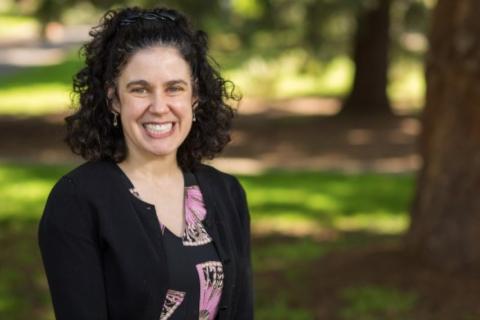
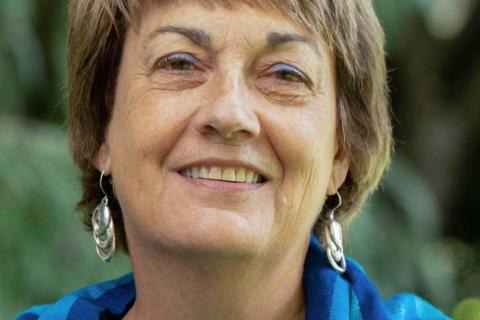
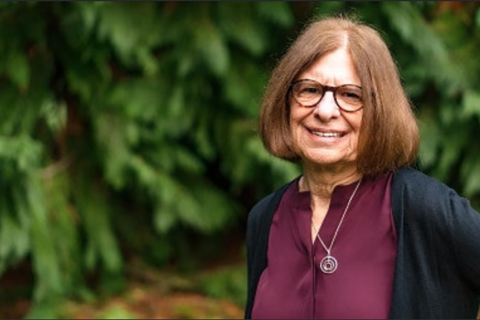
University of Oregon faculty and CSWS affiliates Mattie Burkert and Sara Hodges were interviewed recently for media stories related to their research.
Alisa Freedman featured in CAS Connection
New NW comics art exhibit curated by Kate Kelp-Stebbins
CSWS affiliate Kate Kelp-Stebbins, associate professor of English and director of comics and cartoon studies, has curated the grand opening exhibit for the new Northwest Museum of Comic Arts (NWMOCA) in Portland.
According to NWMOCA, the Pacific Northwest is recognized as one of the most vital comics hubs in the United States. Portland has one of the highest population of professional cartoonists per capita of any major city, and its status as a cartoon capital has grown steadily since the early 2000s.
Affiliates win Trustee Excellence Fund awards
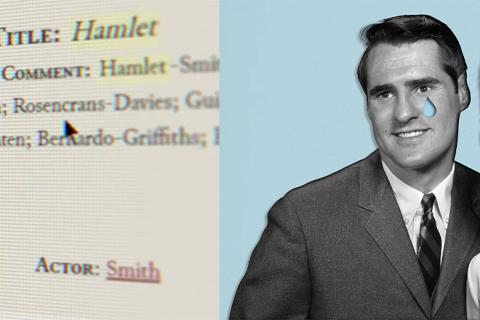
Burkert's London Stage Datatbase project featured in CAS Connection
Excerpted from June 9 CAS Connection, story by Jenny Brooks — Going to the theater in London in the 18th century was a good time—and a transformative time. Playhouses across the city were bursting with activity as crowd-pleasing favorites from the heyday of Shakespeare mixed with slapstick entertainments and boundary-pushing artistic experimentation. These shows drew lively, often raucous audiences from a mix of social and economic classes that seldom crossed paths elsewhere.