Faculty Research Grant

Two women in a literacy class.

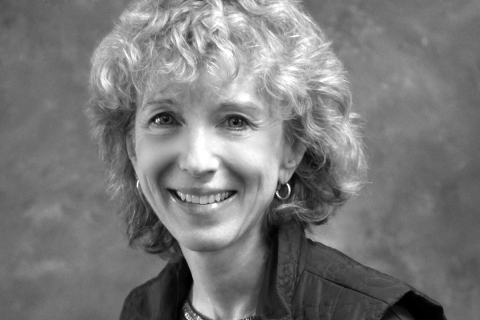
Women, Development, and Geographies of Insecurity in Post-conflict Southeast Turkey

by Jessie Clark, Instructor, UO Department of Geography

The landscape of Southeast Turkey today looks starkly different than it did fifteen years ago. From 1984 to 1999, much of the Southeast region was caught up in a civil war between the Kurdish-separatist group the PKK and the Turkish military. Approximately 4,000 villages were burned, 40,000 people killed, and approximately 900,000–4 million individuals displaced (numbers vary depending on the source). 

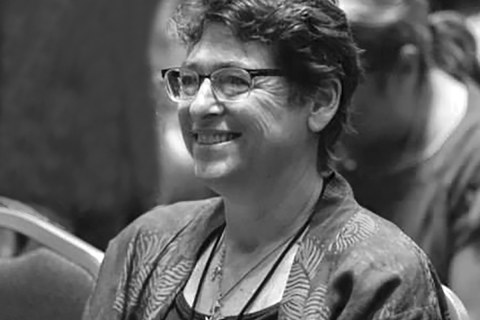
Gabriela Martínez speaks at the CSWS 40th Anniversary Celebration

Media, Democracy, and the Construction of Collective Memory: A Conversation with Gabriela Martínez

by Alice Evans, CSWS Dissemination Specialist

CSWS last interviewed Gabriela Martínez for the Annual Review in summer 2012, when she was the incoming associate director of CSWS. Now entering her third and final year as associate director, Martínez talks about her research, documentary filmmaking, and teaching; her tenure at CSWS; and her upcoming year as a resident scholar at the Wayne Morse Center for Law and Politics.

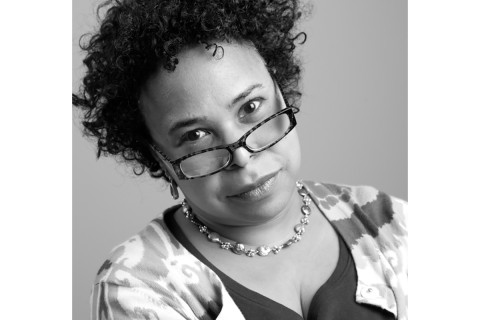
Michelle McKinley

Contingent Liberty in the Americas

by Michelle McKinley, Bernard B. Kliks Associate Professor of Law, School of Law

In 1672, Catalina Conde, a mulata slave, asked the ecclesiastical court in Lima, Peru, to issue censuras, summoning any witnesses who possessed knowledge or evidence about her paternity. Catalina used the process of censuras—akin to spiritual subpoenas—to strengthen her case against her father’s widow, who refused to honor her husband’s promise to free Catalina after his death.

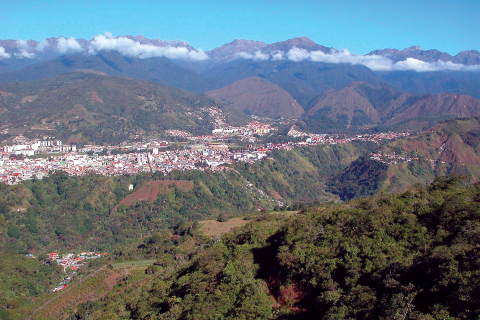
Mérida, Venezuela from a distance / photo by Reuben Zahler.

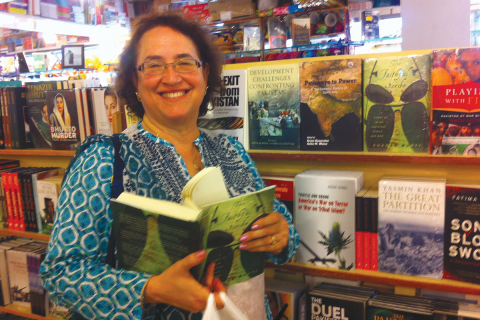
Did You Kill Your Baby?: Gender, Race, and Religion in the Early Venezuelan Republic

by Reuben Zahler, Associate Professor, Department of History

In January of 1811, María Isabel Ribas found herself in jail, charged with murdering her own baby, one of the most heinous acts imaginable for a Catholic woman. A few days earlier, in her neighborhood of Mérida, Venezuela, locals had found the cadaver of a newborn infant in a field, being eaten by vultures. Officials searched in the area for women who had recently been pregnant, and questioned María. She admitted that the baby was hers but also insisted that she was innocent of murder.